Hassle-Free Long Distance Moving Services: Your Reference to an Easy Transition
Long-distance relocation may be daunting, yet it does not have to be overwhelming. With the correct approach and support, individuals can navigate the complexities of transferring. Key factors include choosing a reliable moving company, effective packing techniques, and creating a clear timeline. Comprehending these elements can greatly ease the transition. However, many neglect important aspects that can lead to unnecessary stress and issues. What are the frequent errors to avoid?
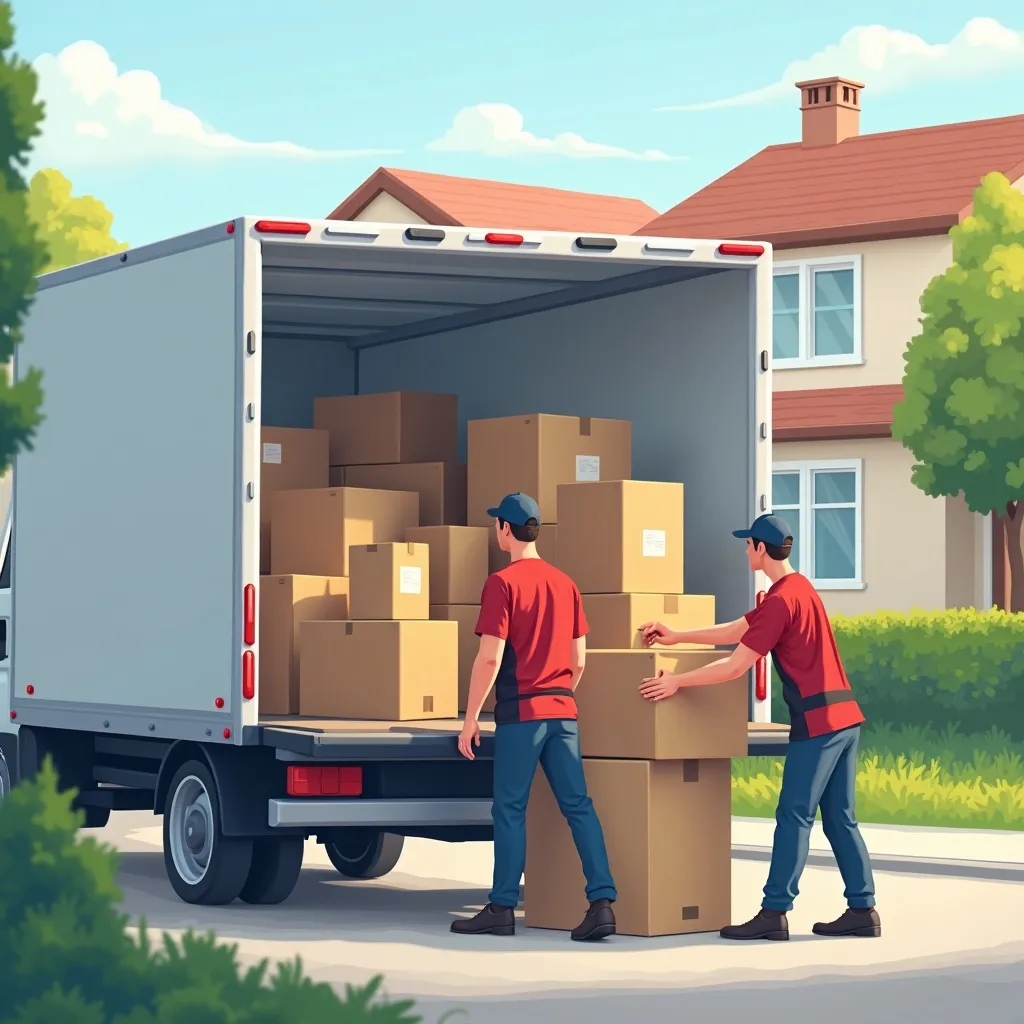
A Guide to Evaluating Long-Distance Relocation Providers
When choosing a distant relocation service, how does one ensure they make the optimal selection? Assessing potential movers requires a systematic approach. First, investigating qualifications is essential; companies should be fully licensed with insurance protection. Online reviews and ratings provide insights into past customer experiences, emphasizing reliability and service quality.
Next, obtaining multiple quotes allows for comparison of pricing structures and services offered. Transparency in fees is crucial; hidden charges can lead to unpleasant surprises.
A key consideration is the company's background with cross-country relocations, as it typically shows their ability to handle logistics and issues particular to such relocations.
In conclusion, examining customer service responsiveness can give you a glimpse of ongoing support throughout the relocation. By following these steps, individuals can select with assurance a cross-country moving service that matches their needs, ensuring a smoother shift.
Reasons to Opt for Professional Movers
Selecting experienced moving companies for long-distance relocations offers considerable benefits. Their knowledge can streamline the process, reducing both time and anxiety for people and households. Additionally, expert relocation companies often provide insurance and liability protection, guaranteeing peace of mind during the transition.
Expertise In Long-Distance Moves
Selecting skilled movers for long-distance relocations can significantly reduce the stress that comes with such changes. Their skillset in managing logistics ensures every part of the move is handled efficiently. Experienced movers recognize the challenges of long-distance moves, from securely packing delicate items to navigating unfamiliar routes. They have the necessary tools and understanding to load and transport belongings safely, lowering the chance of damage. Moreover, professional movers are knowledgeable about regulatory requirements, guaranteeing compliance with state laws and permits. This expertise not only improves security but also builds client confidence, letting them concentrate on settling into their new home instead of the move’s complexities. Opting for professionals ultimately results in a more seamless experience.
Time And Stress Minimization
While moving to a new location can be an exciting adventure, the time and worry involved can quickly become taxing. Selecting professional movers greatly alleviates these concerns. Their expertise allows for efficient packing, loading, and transportation, reducing the time spent on logistics. This efficiency not only speeds up the relocation but also minimizes the physical strain on individuals. Skilled movers handle the heavy lifting and complex tasks, allowing clients to focus on moving into their new home. Additionally, the confidence that comes with knowing experienced movers are managing the shift can notably decrease stress levels. Ultimately, working with experts transforms a difficult process into a efficient experience, making it easier to embrace the excitement of a new beginning.
Insurance And Legal Protection
Retaining experienced moving specialists not only ensures a seamless transition but also supplies vital coverage and damage protection. This protection is crucial when moving precious items over long distances, as it minimizes the danger of harm or misplacement during transit. Experienced movers typically offer various coverage options, such as standard coverage and comprehensive protection, ensuring clients have confidence and assurance. In contrast, DIY moves often leave people exposed to unforeseen circumstances, without recourse for damaged items. By selecting professional moving companies, clients benefit from their expertise and the guarantee that their possessions are safeguarded. Ultimately, the spending in expert relocation assistance can save substantial expenses and emotional stress connected with potential losses, rendering it a smart decision for extended moves.
Essential Packing Guidelines for Your Long-Distance Move
Proper packing is crucial for a successful long-distance relocation, as it ensures that possessions get there safely and undamaged. To start, people should gather quality packing materials, such as durable containers, protective padding, and adhesive tape. Organizing items by room can streamline the process and minimize the risk of losing items. It is recommended to label each box distinctly, indicating both the items inside and the room destination, which facilitates unpacking.
Fragile items need careful attention; covering them separately in bubble wrap or packing paper can assist in preventing breakage. Additionally, filling empty spaces inside boxes with packing peanuts or crumpled paper adds extra cushioning. For heavier objects, using smaller boxes prevents strain and promotes safe handling. Finally, packing an essentials box with necessary items for the first few days can make settling in much smoother. By following these packing tips, individuals can increase the efficiency and safety of their long-distance move.
Grasping Expectations for the Moving Process
Effective preparation sets the foundation for what to expect during the moving process. A carefully planned packing strategy can greatly streamline the transition, reducing anxiety and doubt. Individuals should prepare for a detailed timeline that outlines key milestones, from packing to transport preparation and transportation.
Ongoing communication with the moving company is essential; clients should anticipate frequent updates regarding the status of their belongings and any potential delays. It is also important to be prepared for the logistics, such as the need for specific permits or entry arrangements at both locations.
Clients may face unforeseen challenges, ranging from bad weather conditions to traffic situations affecting travel time. Understanding that adaptability is crucial can help mitigate anxiety. Ultimately, establishing practical goals and maintaining open lines of communication with the moving team will lead to a smoother, more efficient moving experience.
Getting Adjusted: Transforming Your New Home Into a Cozy Space
As the moving truck pulls away, people frequently find themselves contemplating how to turn their new space into a welcoming sanctuary. The initial step in this process is organizing essentials to build a functional living area. Giving priority to items such as kitchenware, bedding, and personal effects comprehensive article can significantly boost comfort and familiarity.
Then, incorporating personal elements is essential. Artwork, family photos, and treasured mementos can spark nostalgia and foster a feeling of home. Positioning furniture to encourage movement and optimize space also adds to the overall ambiance.
Furthermore, tailoring the aroma of the home through candles or diffusers can establish a welcoming atmosphere. Connecting with the local community—visiting parks, cafes, or social events—fosters connections that help individuals become grounded in their new surroundings.
Ultimately, these steps support a gradual transition, converting a mere house into a true home abundant with warmth and charm.
Cost Management Tips for a Long-Distance Move
Planning monetarily for a long-distance move requires meticulous strategy and vision. At the start, individuals should compile a thorough catalog of their possessions to determine the size and heaviness of products being transported. This can help in receiving correct bids from transport firms. It is prudent to establish a realistic financial plan that covers not only moving costs but also additional fees such as packing materials, temporary lodging, and travel costs to the new location.
Next, individuals should think about the schedule of the relocation. Rates may vary greatly depending on the season or day of the week. Scheduling far ahead can often result in better pricing. Furthermore, it is beneficial to examine and evaluate multiple moving companies to find the greatest savings. In conclusion, setting aside a emergency reserve for unforeseen costs will provide a financial buffer, guaranteeing a smoother adjustment throughout this significant transition.
Top 5 Typical Issues to Sidestep During Your Relocating Experience
The intricacies of dealing with a extended move can be stressful, and dodging typical errors is important for a smooth transition. An significant issue is underestimating the time needed to prepare and pack. Speeding through this process often leads in forgotten items or poorly packed boxes. Another common error is neglecting to research relocation companies thoroughly, which can result in hidden fees or unsatisfactory service.
Additionally, neglecting to create an inventory can cause damaged or missing goods. Neglecting insurance for important items is a significant lapse, putting moving companies vulnerable to possible financial harm. Finally, poor communication with the moving team can create miscommunications about logistics and expectations. By avoiding these five mistakes, parties can enable a more efficient and less stressful cross-country relocation.
Regularly Asked Questions
How far sooner must I book My relocation service?
Professionals advise booking a moving service at least four to six weeks prior to your move. This period offers better availability, potential financial benefits, and adequate organization, in turn guaranteeing a smoother moving process for the individual.
What Items Are Banned During Long-Distance Moves?
Prohibited items during long-distance moves typically consist of dangerous substances, spoilable groceries, vegetation, and precious possessions like cash or jewelry. Moving companies generally offer a detailed list to ensure adherence to regulations and safety standards.
Do movers supply moving materials, or ought I buy my own?
Moving companies usually offer packing supplies as part of their offerings, but it's advisable to verify beforehand. Some individuals choose to purchase their own materials for increased control over quality and quantity during the relocation.
Am I Able to Monitor My Belongings During the Move?
Moving companies typically extend monitoring services for belongings during a relocation. Patrons can usually track their shipment's status via an web portal or by communicating with the company, ensuring peace of mind throughout the moving experience.
What Happens if My Possessions Get Harmed During Transit?
If belongings are harmed during transit, the moving company typically investigates the claim. Depending on the insurance coverage, compensation may be offered. Proper documentation and prompt reporting enhance the chances of a positive resolution.